|
|

 |
Ferdinand Tank Destroyer
Drami Models, 1/35 scale
Reviewed by Zack Sex
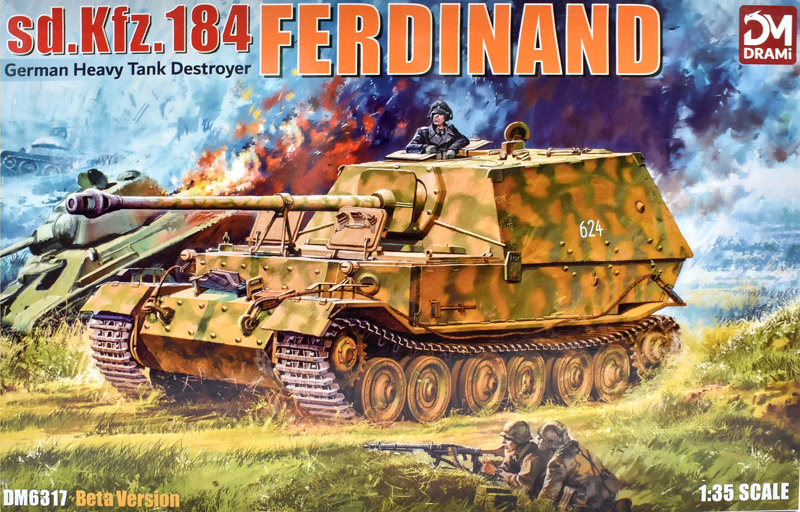
| Stock Number and Description | Drami Models 1:35 Ferdinand Tank Destroyer. Kit No. DM 6317 |
| Scale: | 1/35 |
| Media and Contents: | Dark yellow plastic parts; photo-etched fret; decals. |
| Price: | TBA |
| Review Type: | First Look |
| Advantages: | High level of detail; excellent moulding |
| Disadvantages: | None noted. |
| Recommendation: | Recommended. |

FirstLook
Drami Models is a newly established plastic model kit company launched in 2026 under Zimi Model Technology Co. Ltd. Zimi has acquired a range of classic kit moulds from Dragon Models Ltd. Judging by the releases announced so far, the company’s main focus will be 1:35 scale armour kits, accessories and upgrades, along with combination kits that bring classic subjects together with a few what-if designs.
The first batch of Zimi/Dr ami releases (the name Drami combines Dragon and Zimi) includes the old-but-gold Scud missile launcher (DM 3520), two Ferdinand tank destroyer kits (DM 6317 and DM 6133), and two later Elefant kits (DM 6126 and DM 6311), with more on the way.
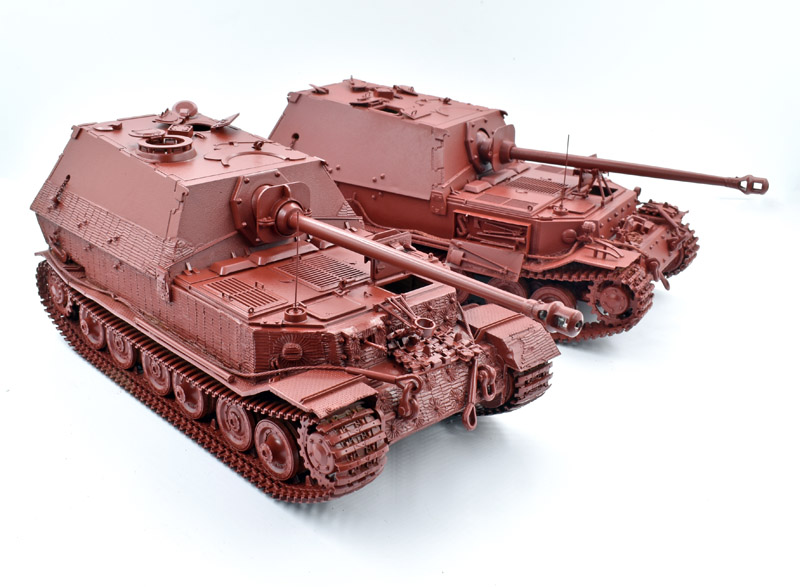
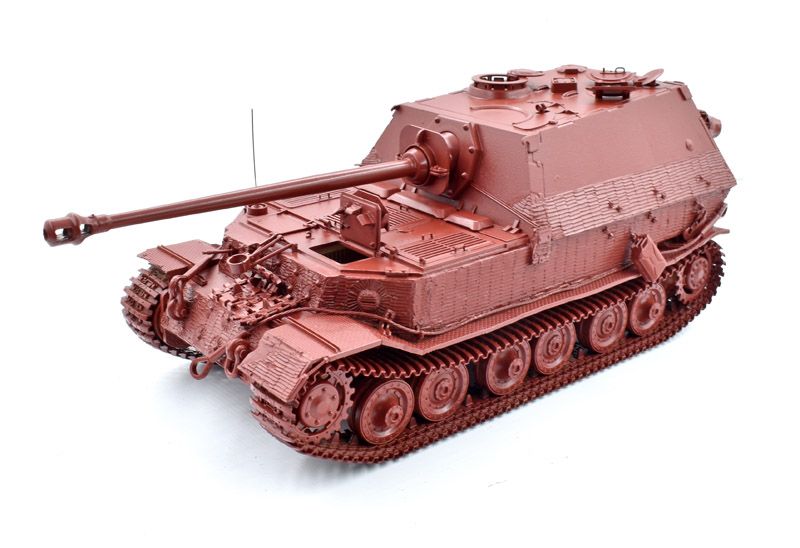
Tamiya (front, with Zimmerit) and Drami Ferdinands built and primed
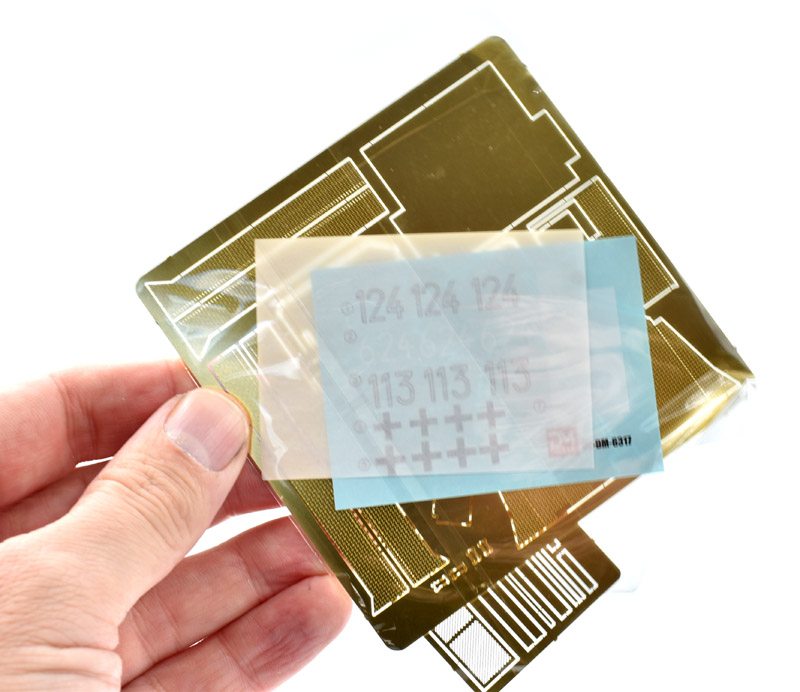
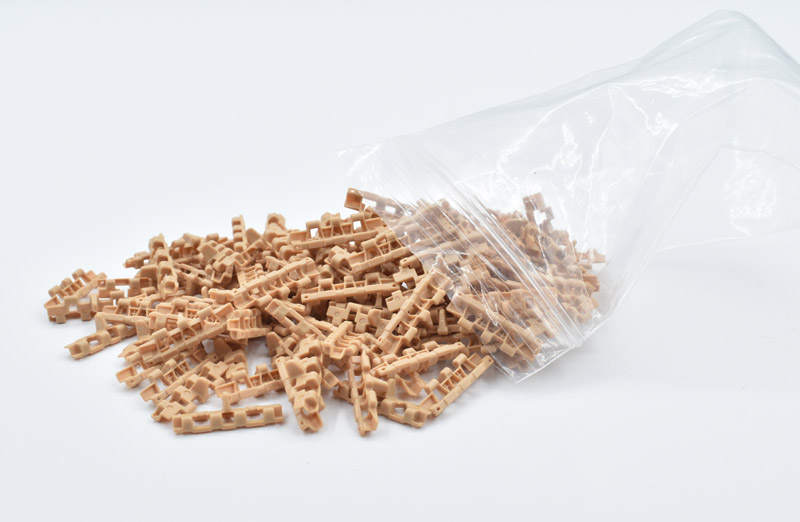
For this review, we are looking at the Ferdinand (DM 6317). The kit comprises the familiar plastic parts, individual plastic track links, two plastic gun barrels (but no metal barrel), and two photo-etched brass frets covering the fenders and various external fittings and details.
The Ferdinand is an interesting and historically controversial choice for a re-release. It is a fascinating vehicle that began life with a series of problems stemming from an overly ambitious design. Some would argue that basic combat vehicle requirements were overlooked in the process. The Ferdinand also endured an extremely difficult baptism of fire and subsequently acquired a rather bad reputation.
It all began with Hitler’s order of 26 May 1941 to develop a new heavy tank. Two competing designs emerged from this programme: the ultimately successful Henschel VK 45.01 (H), which became the Tiger I we all know and love, and the Porsche VK 45.01 (P), the also-ran of the competition.
Designed by Dr Ferdinand Porsche, a Hitler favourite, the Porsche Tiger reflected an approach to tank design that was both innovative and, at times, wildly experimental. Porsche was responsible for some highly successful automotive designs, including the Kübelwagen and Schwimmwagen, but his military vehicle projects also included the Tiger (P) and the enormous Maus.
At the heart of the Tiger (P) was a remarkably advanced petrol-electric drive system. Two air-cooled V10 petrol engines powered generators, which supplied electricity to a pair of traction motors driving the sprockets. Although the principle was not entirely new, the system was complex, difficult to maintain and plagued by problems. The Henschel design ultimately won out, offering a more practical solution.
However, by the time the decision was made, a substantial number of Porsche Tiger chassis had already been built. Rather than let them go to waste, the Germans decided to convert the unused chassis into heavily armed tank destroyers. In September 1942, the project took shape, with the new vehicles receiving a massive 200mm of frontal armour and a powerful 8.8cm PaK 43/2 L/71 anti-tank gun mounted in an armoured casemate designed by Alkett.
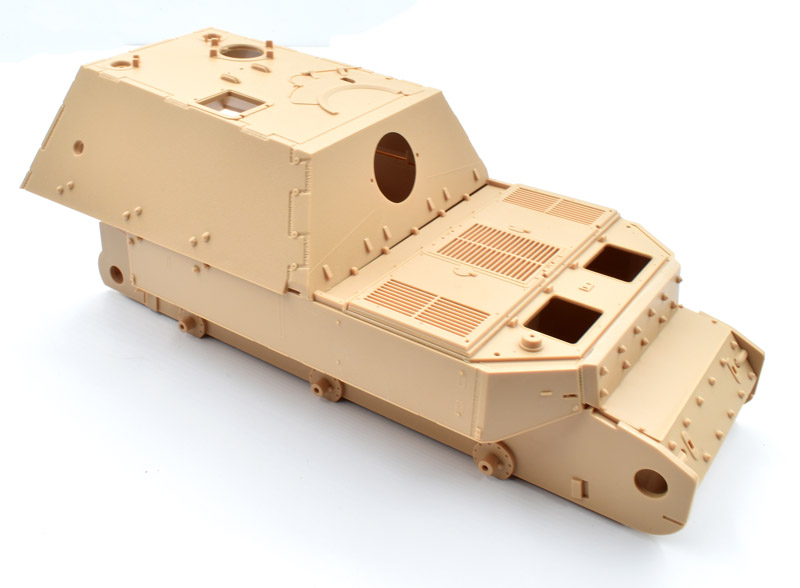
Thus, the Ferdinand was born. With its tall, angular casemate mounted towards the rear of the hull and its long 88mm gun projecting forward, this was an imposing machine. Great things were expected of the Ferdinands when they entered combat during Operation Citadel in the summer of 1943.
What followed was one of the largest and bloodiest armoured battles of the Second World War. The Ferdinands went into action alongside the new Panthers and the more experienced Tigers, advancing into a formidable Soviet defensive system of minefields, dug-in tanks, anti-tank guns and infantry teams.
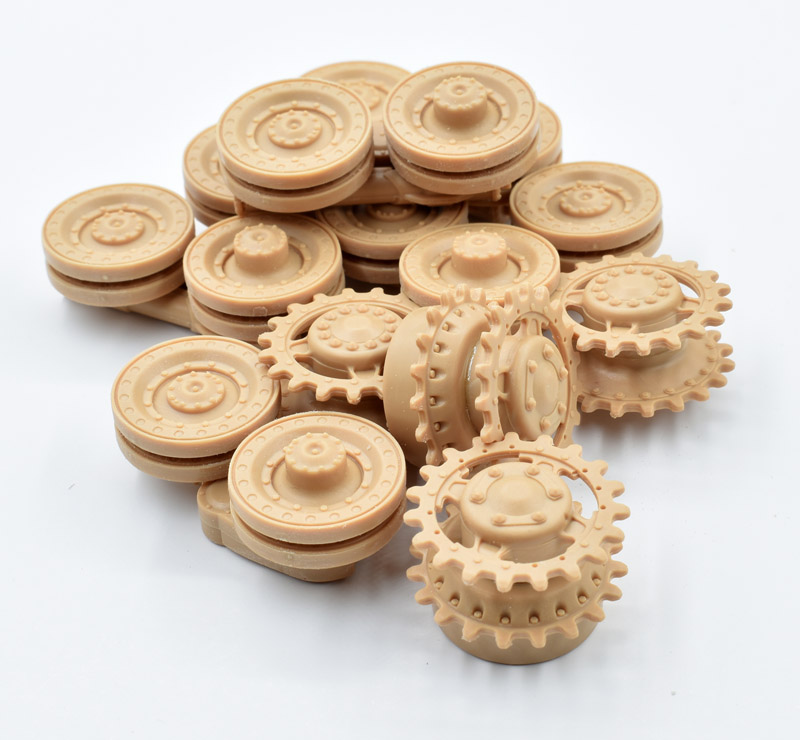
The Ferdinand's shortcomings soon became painfully apparent. The vehicle had no hull-mounted machine gun for close defence, and its commander lacked a proper cupola with all-round vision. Once the slow-moving tank destroyers became separated from their infantry support, Soviet troops could exploit these weaknesses at close range. Mines, mechanical failures and the difficulty of recovering such heavy vehicles added to the mounting losses.
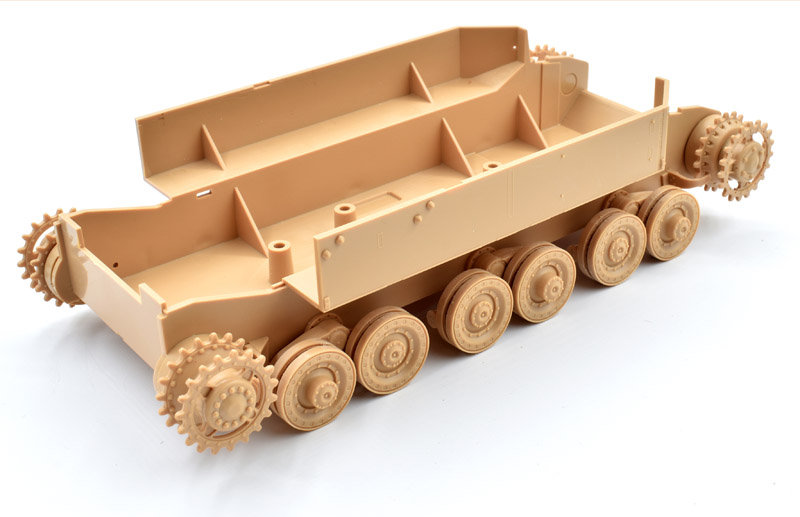
Of the 90 Ferdinands generally cited in production figures, only around 50 returned from the Kursk campaign. Nevertheless, the vehicle's combat record was not entirely negative. When employed in its intended role as a long-range tank destroyer, the Ferdinand proved exceptionally effective, its powerful gun capable of knocking out Soviet armour at considerable distances. Ferdinand crews claimed 502 Soviet tanks destroyed during the Kursk campaign, although such wartime claims should be treated with the usual caution.
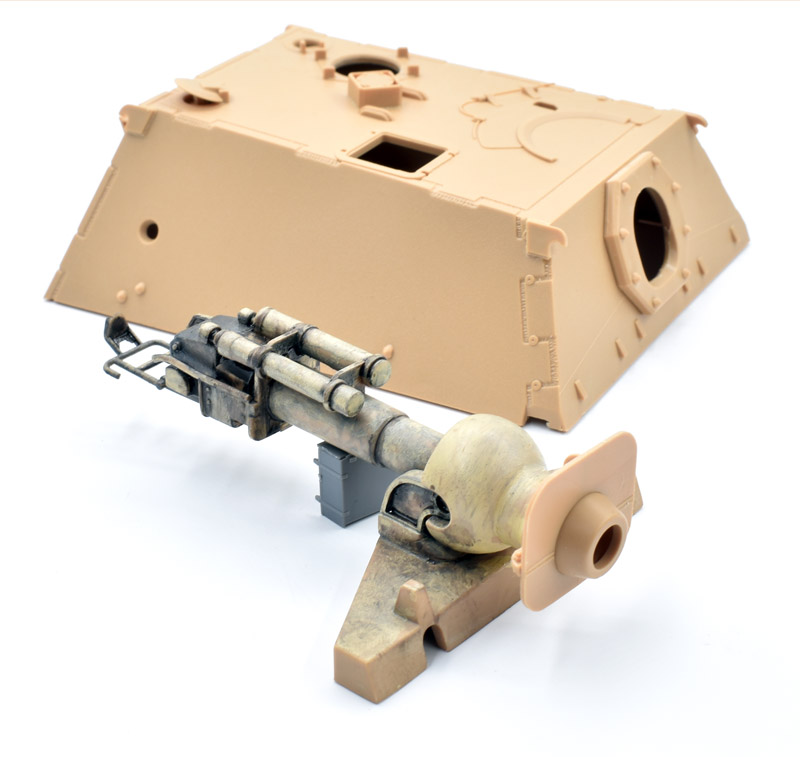
Later in 1943, the surviving vehicles were withdrawn for rebuilding. The improvements included a hull-mounted machine gun and a commander's cupola, addressing two of the most obvious shortcomings revealed in combat. The upgraded vehicles became known as the Elefant, but that is a story for another time.
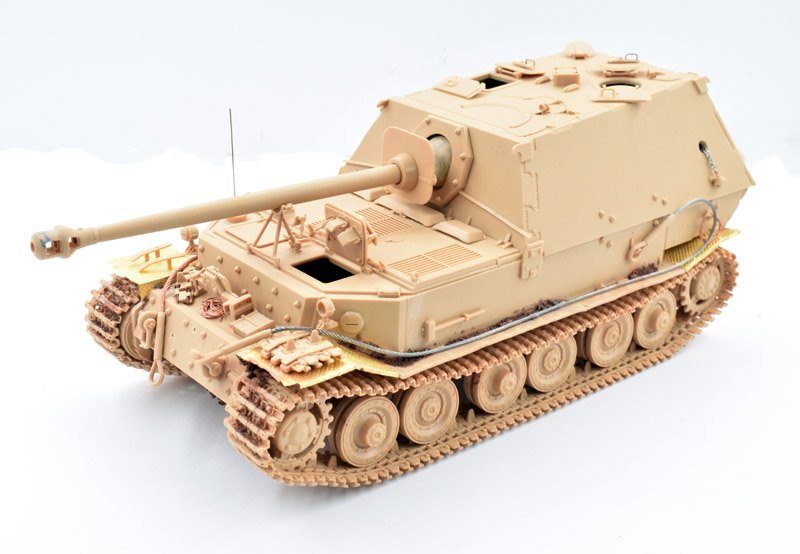
As a re-release of Dragon's classic tooling, Drami's Ferdinand looks like a welcome addition for armour modellers. The inclusion of individual plastic tracks and two photo-etched frets should provide plenty of detail straight from the box, while the two plastic gun barrels offer a choice without the inclusion of a metal alternative.
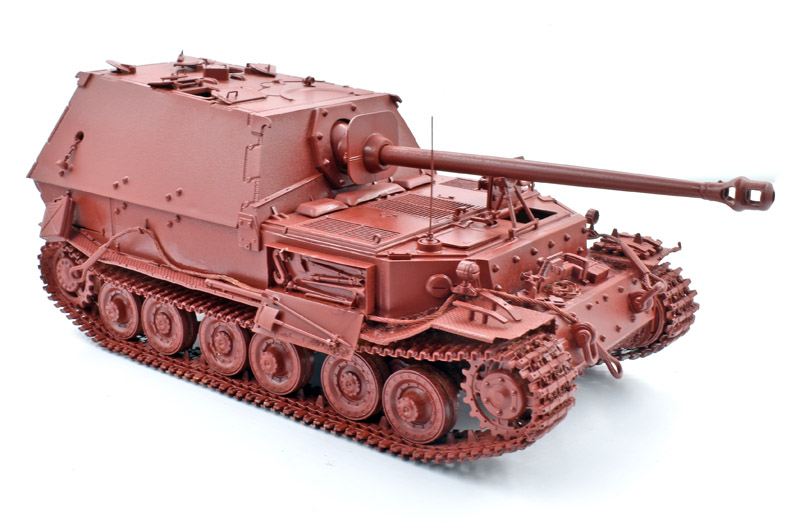
With an expected retail price of around €50, this could be an attractive proposition for anyone keen to build one of the most distinctive German armoured vehicles of the Second World War. Dig out your Ferdinand references, start planning that Kursk diorama, and give this old Dragon kit another look.
Highly Recommended.
Thanks to Drami Models for the review sample
Home
 Discussion Groups
Gallery
Articles
Reviews
Copyright
Vendors Room
Links
Contact us
Copyright www.missing-lynx.com 2026
Text and Images by Zack Sex
Page Created 18 October, 2026
Page Last Updated
31 October, 2026