|
|

 |
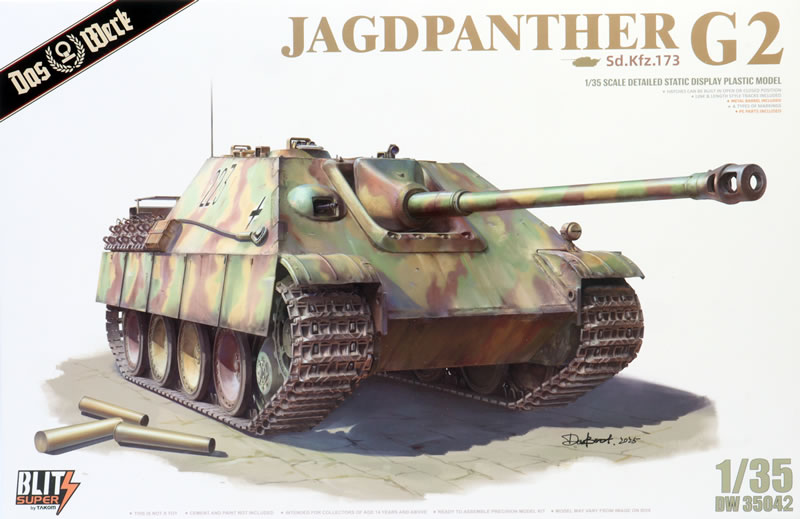
Sd.Kfz.173 Jagdpanther G2
Takom Blitz 1:35 scale
Reviewed by Brett Green
Summary
| Stock Number and Description | Takom Blitz Kit No. 35042 - Sd.Kfz.173 Jagdpanther G2 |
| Scale: | 1:35 |
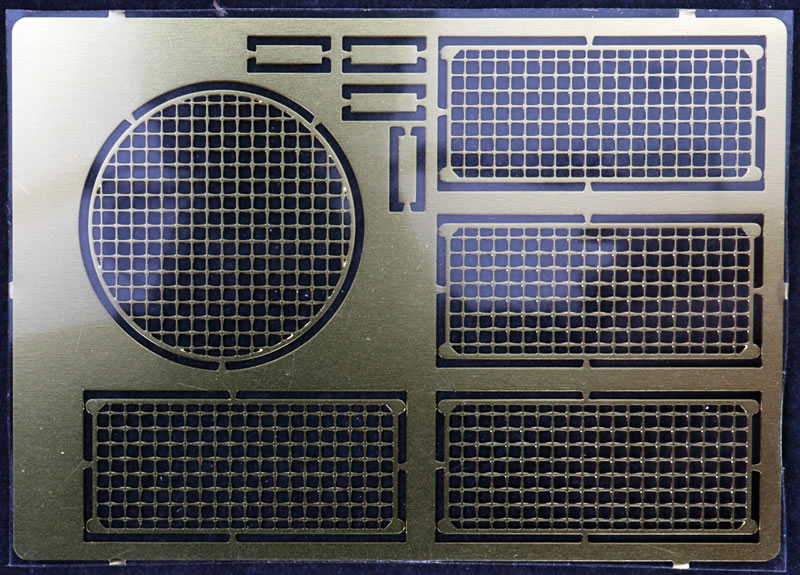
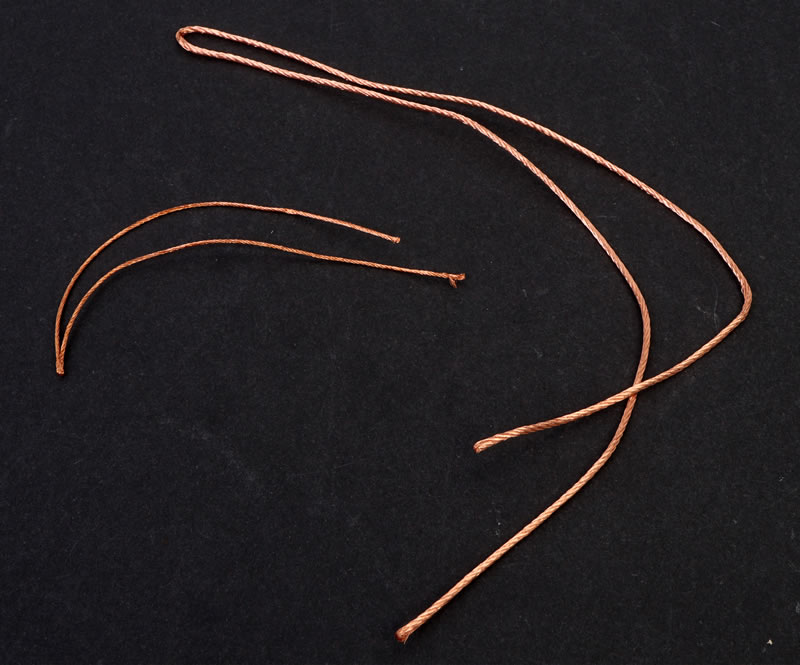
| Media and Contents: | 222 plastic parts in pale tan coloured plastic; nine photo-etched parts; turned metal gun barrel; two lengths of braided copper wire; markings for six vehicles. |
| Price: | TBA |
| Review Type: | First Look |
| Advantages: | Accurate shapes; straightforward build; clever parts breakdown; nice level of detail; includes photo-etched mesh. |
| Disadvantages: | Some ejector pin marks; a little bit of adjustment needed for the link and length tracks; no clear parts. |
| Recommendation: | Das Werk's Jagdpanther G2 continues the Super Blitz formula, offering a sensible level of detail, straightforward engineering and a remarkably low parts count. I particularly like the grouped road wheels, link-and-length tracks and inclusion of a turned metal barrel. These features contribute to a build that should be fast and frustration-free. This is not intended to be the ultimate Jagdpanther. Modellers who prefer hundreds of individual track links and pins, workable running gear, full interiors and tiny detail parts can find more complex alternatives elsewhere. That is not the purpose of this kit. Instead, Das Werk has delivered an affordable Jagdpanther that captures the look of the original vehicle while remaining accessible to beginners and experienced modellers alike. The combination of simplicity, detail and value is very appealing. Highly Recommended. |

B a c k g r o u n d
The Jagdpanther is widely regarded as one of the finest tank destroyers of the Second World War. Combining the excellent mobility and protection of the Panther chassis with the formidable 8.8cm Pak 43 anti-tank gun, it represented the pinnacle of German turretless tank destroyer design.
The vehicle's origins lay in Germany's experiences on the Eastern Front, where encounters with increasingly capable Soviet armour highlighted the need for more powerful anti-tank weapons. German forces had already achieved considerable success with vehicles such as the StuG III and Jagdpanzer IV, leading planners to pursue a purpose-built tank destroyer based on the Panther chassis. Development commenced in 1942, with the goal of mounting the highly effective 8.8cm Pak 43 gun in a heavily armoured, low-profile fighting vehicle.
The resulting design was remarkably well balanced. The Jagdpanther featured an integrated casemate superstructure with sharply sloped armour, providing excellent protection without excessive weight. Frontal armour was 80mm thick and highly resistant to Allied anti-tank weapons. The powerful Pak 43 L/71 gun was capable of destroying virtually any Allied tank at long range, while the Maybach HL230 V12 engine delivered impressive mobility for a vehicle weighing approximately 46 tonnes. A crew of five operated the vehicle.
Production commenced in January 1944, with the first vehicles entering service during the summer. Jagdpanthers were primarily assigned to Heavy Tank Destroyer Battalions and quickly gained a reputation for battlefield effectiveness. However, Allied bombing, material shortages and the deteriorating German industrial situation limited total production to only around 415 vehicles.
Compared to Allied contemporaries such as the M10, M18 Hellcat and M36 Jackson, the Jagdpanther combined superior armour protection with exceptional firepower. The British Sherman Firefly and Comet were dangerous opponents, but neither offered the same balance of protection and hitting power. Among German vehicles, the Jagdpanther was generally considered more practical and effective than the cumbersome Elefant and Jagdtiger.
The Jagdpanther first saw significant combat in Normandy during 1944, where its powerful gun, low silhouette and excellent optics made it a formidable defensive weapon. It subsequently served on both the Western and Eastern Fronts, including the Battle of the Bulge and the final battles in Germany. Crews praised its accuracy and survivability, but mechanical reliability problems, fuel shortages and limited production restricted its overall impact.
Although it arrived too late and in insufficient numbers to influence the outcome of the war, the Jagdpanther remains one of the most admired armoured fighting vehicles ever built. Its combination of mobility, protection and firepower represented the culmination of German wartime tank destroyer development and secured its place among the most effective anti-tank vehicles of the Second World War.
F i r s t L o o k
Das Werk's new 1:35 scale Jagdpanther G2 is based on the same Super Blitz philosophy that we have already seen in the company's Panther Ausf. G kits.
The model depicts a late-production Jagdpanther G2 armed with the long 8.8cm Pak 43 L/71 and featuring the characteristic Panther Ausf. G hull. The kit has been designed as a fast and straightforward build while still offering a respectable level of detail.
Inside the box are a modest 222 plastic parts, a small photo-etched fret, a turned metal gun barrel, copper wire and markings for six vehicles. Link-and-length tracks are included. The low parts count suggests a relaxing project rather than a marathon assembly exercise.
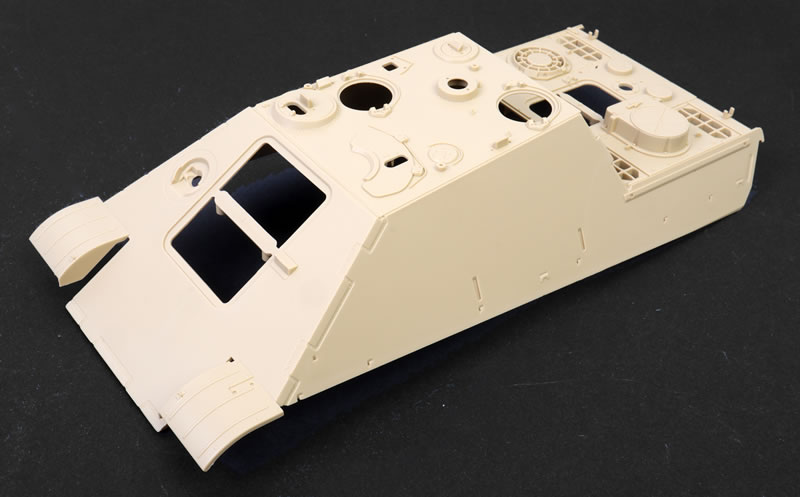
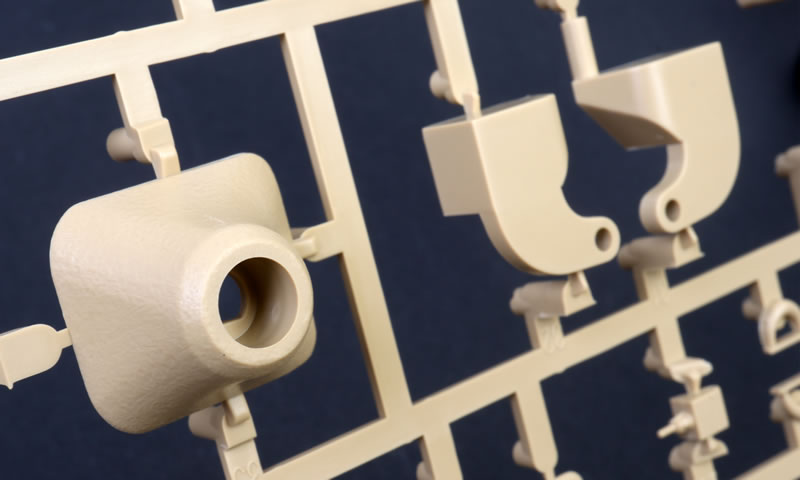
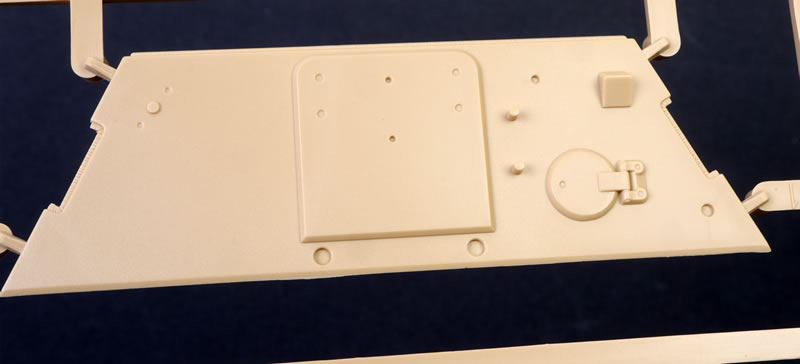
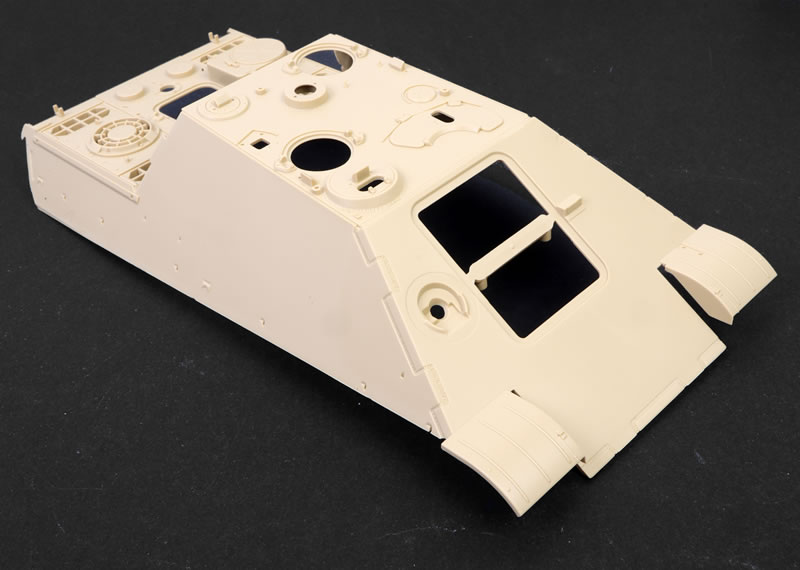
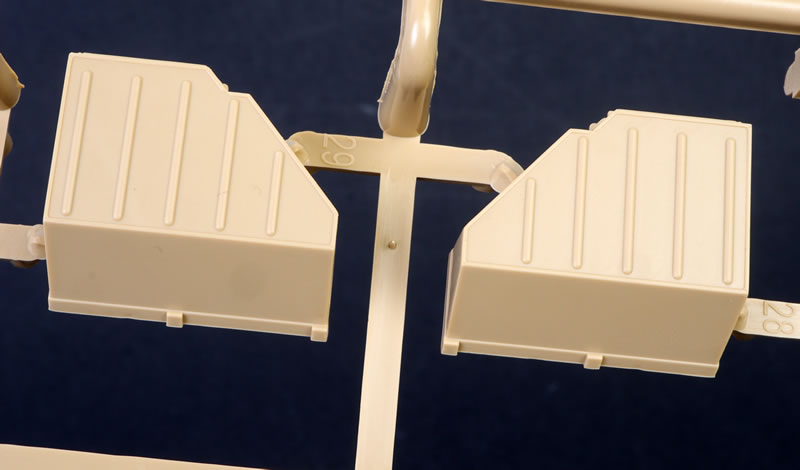
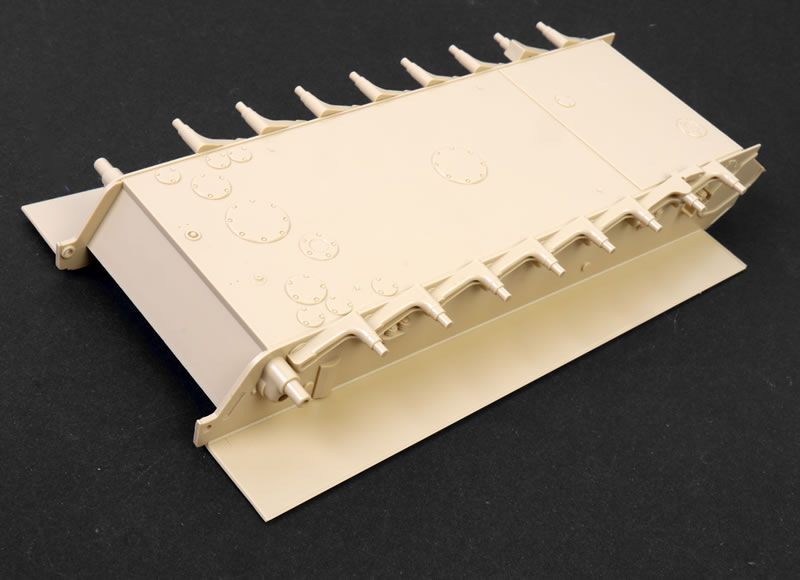
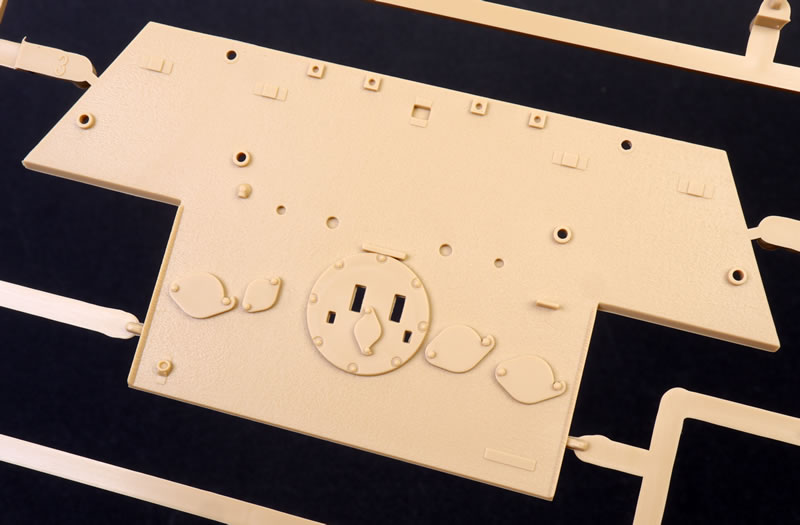
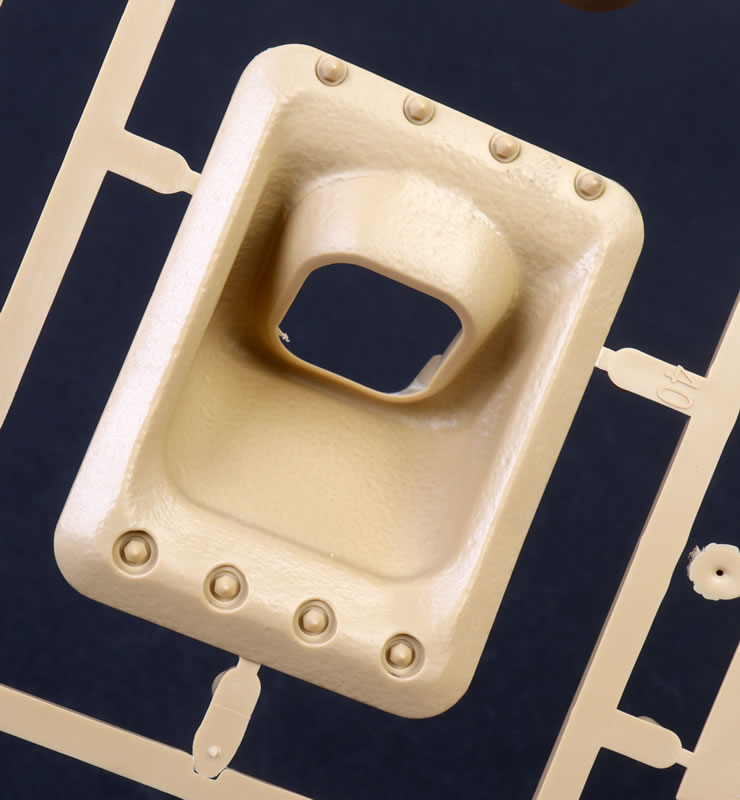
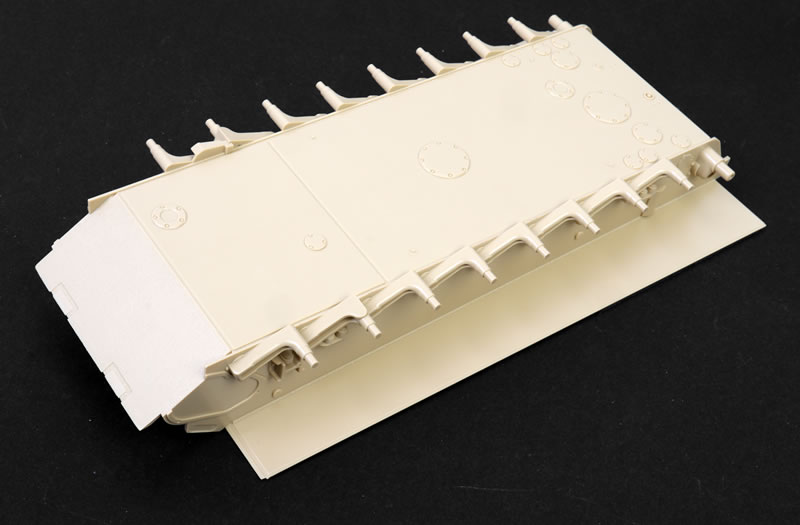
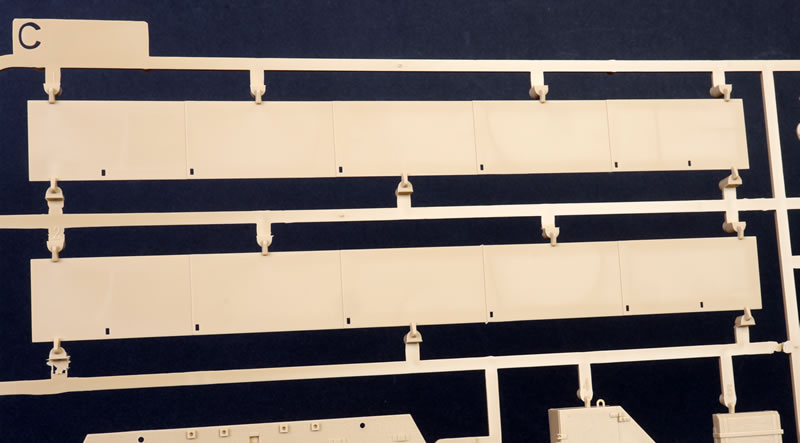
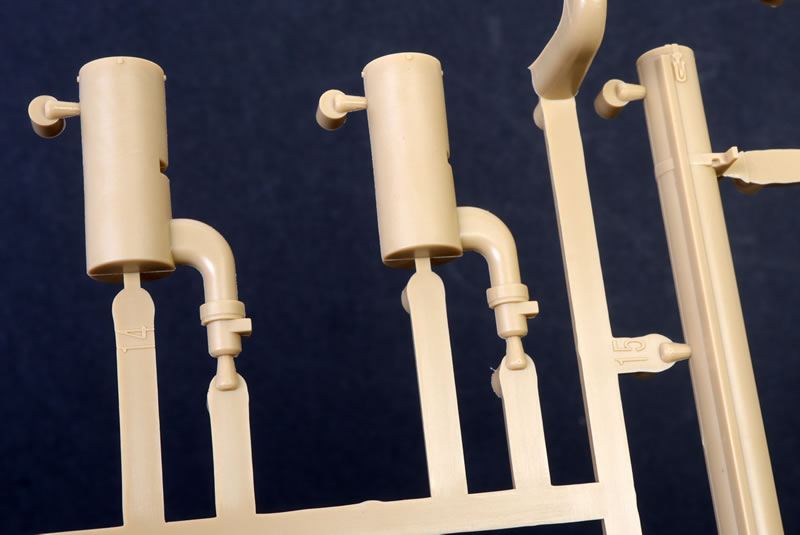
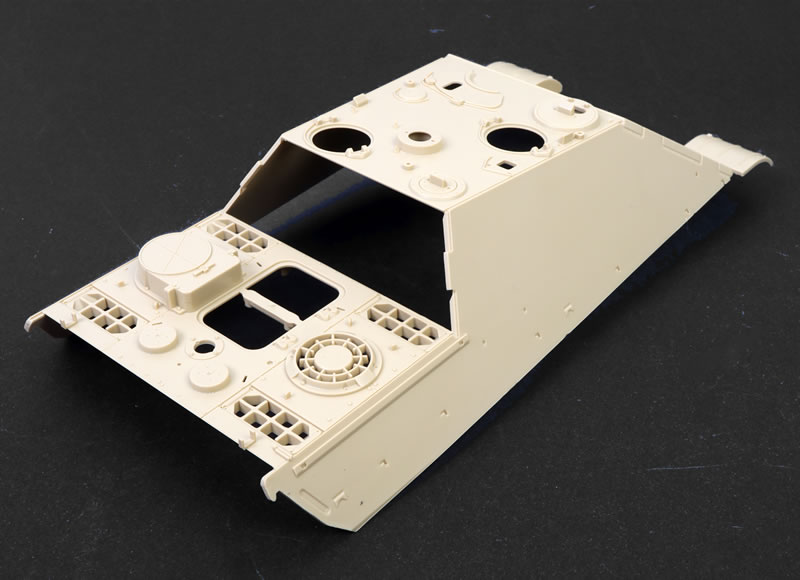
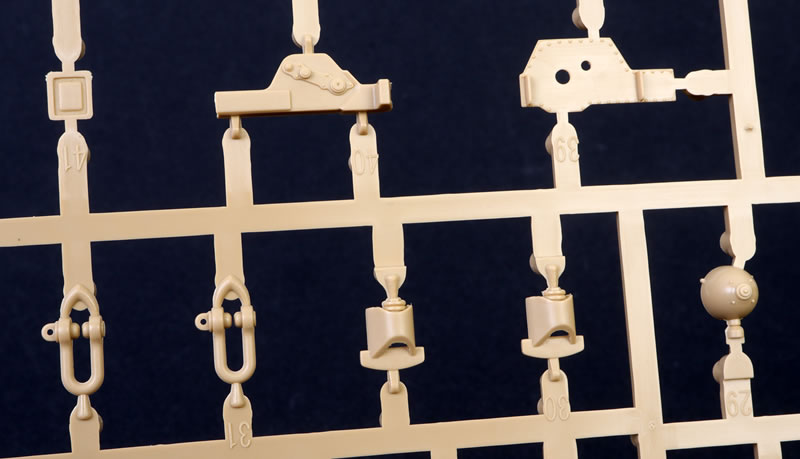
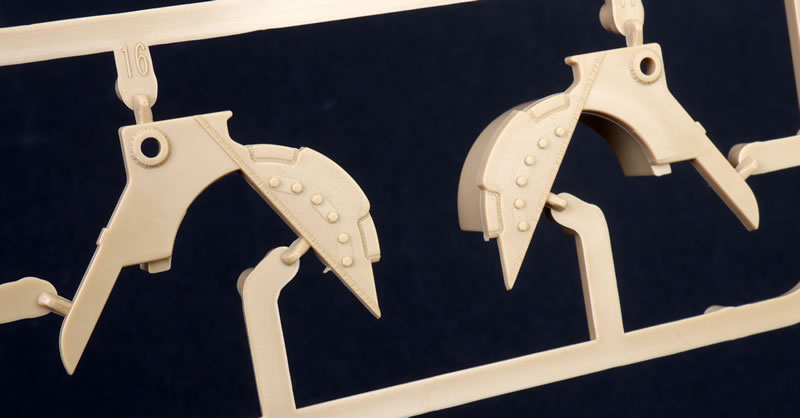
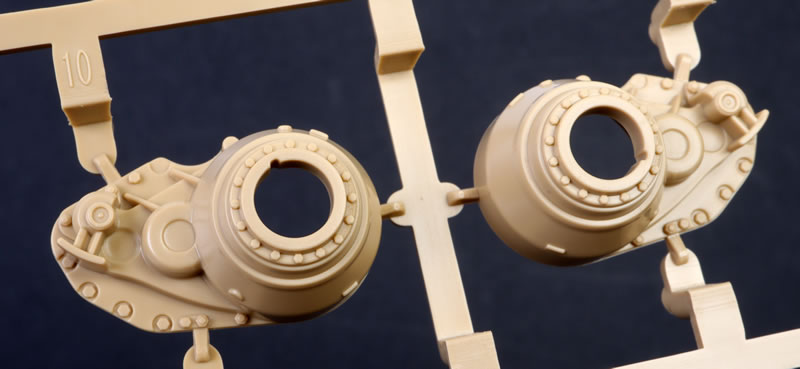
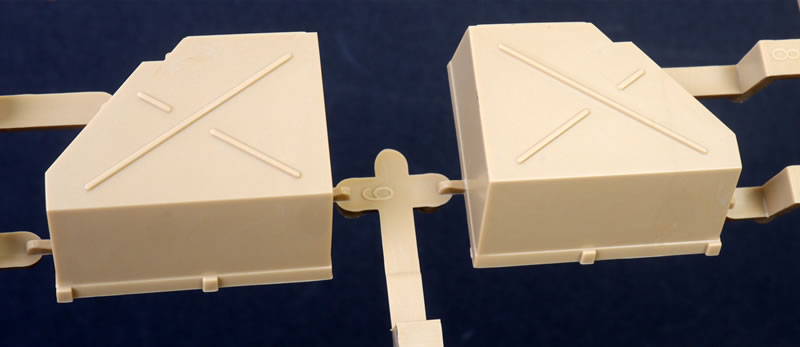
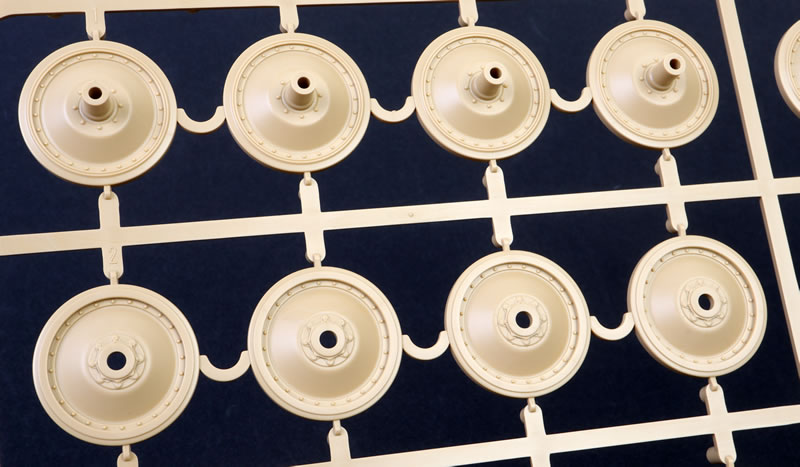
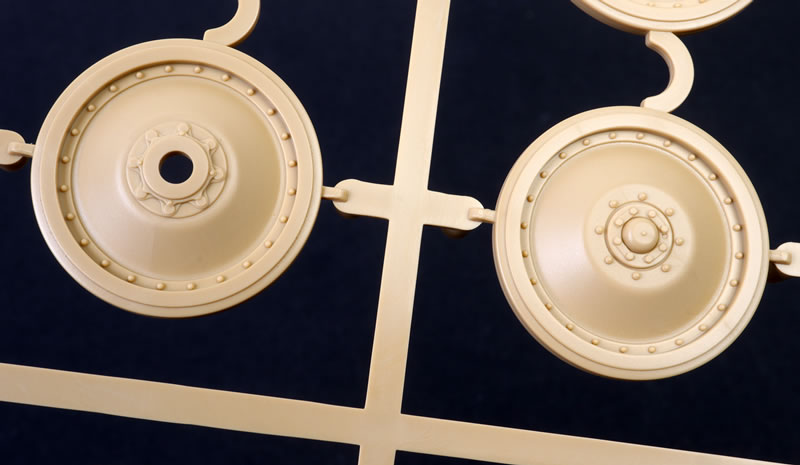
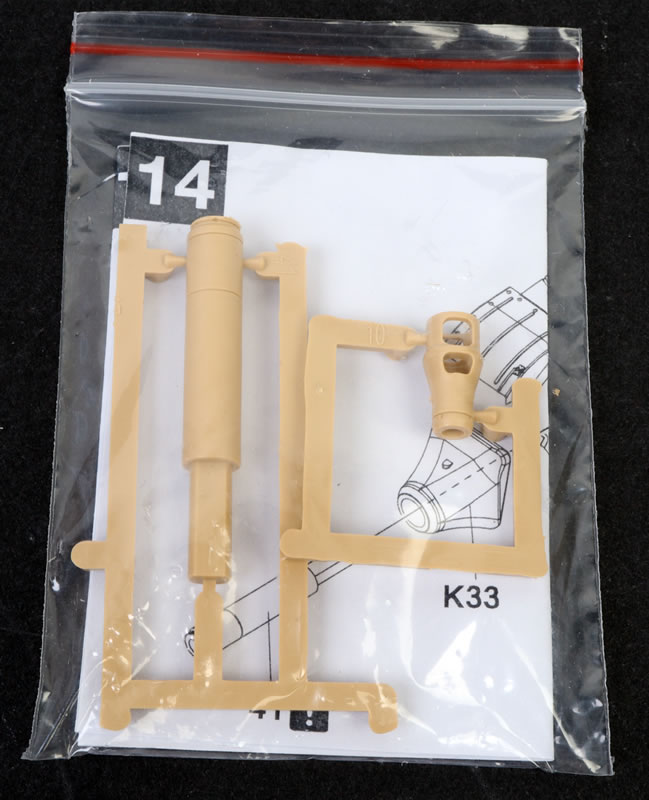
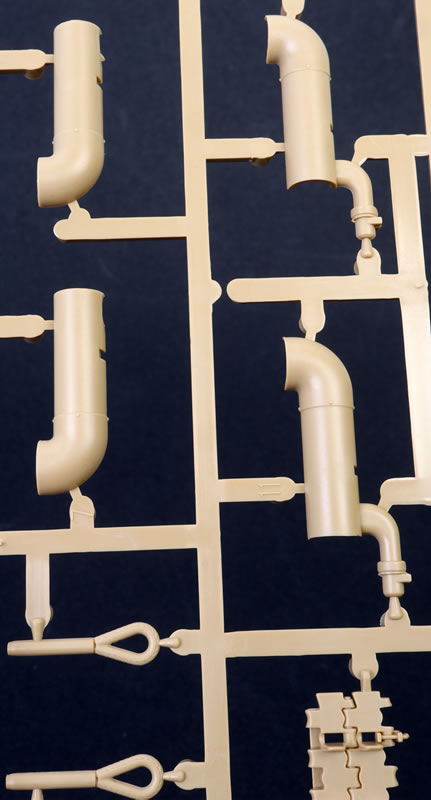
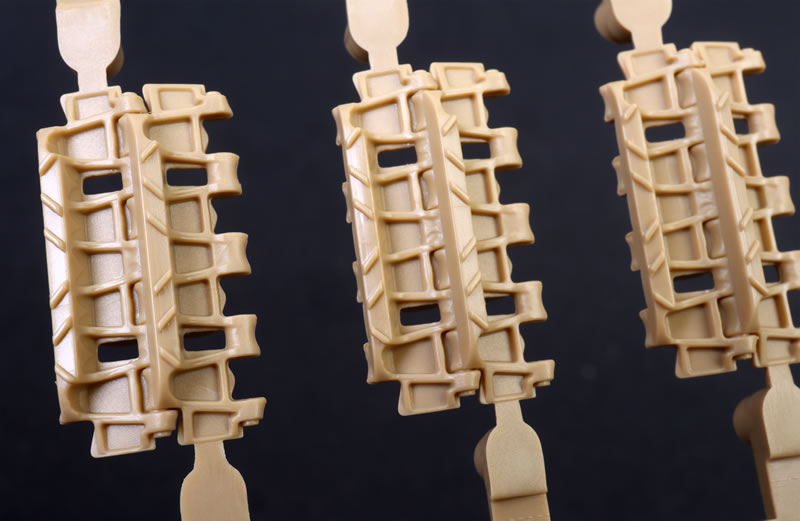
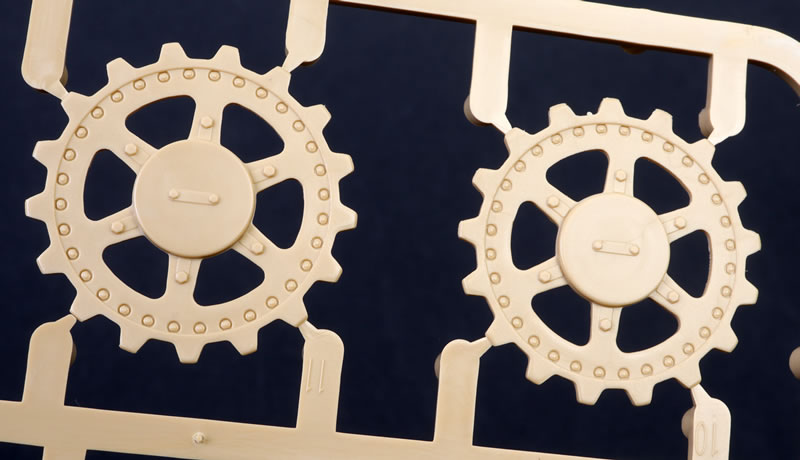
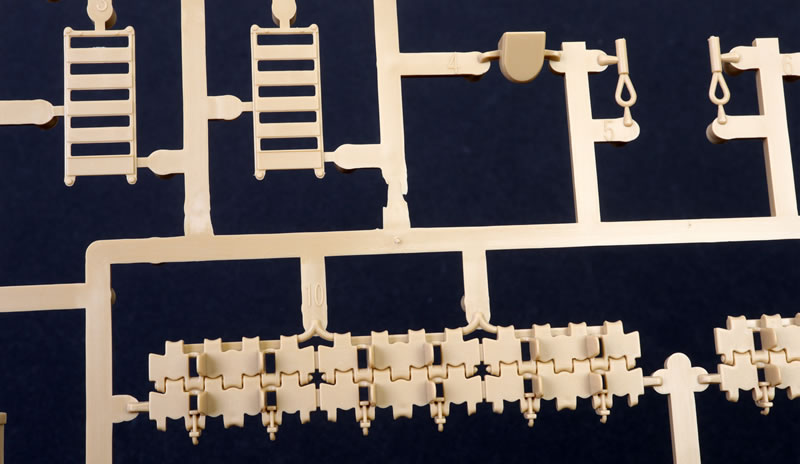

Surface textures are restrained. Weld beads, torch-cut edges and rolled armour texture are all represented without being overdone.
The lower hull is moulded as a single tub with suspension mounting points already in place. As with the Panther Ausf. G Super Blitz, the inner road wheels are grouped together in rows. This unusual approach simplifies assembly and ensures positive alignment of the running gear. Once installed and hidden behind the outer wheels, the connecting sections are virtually invisible.
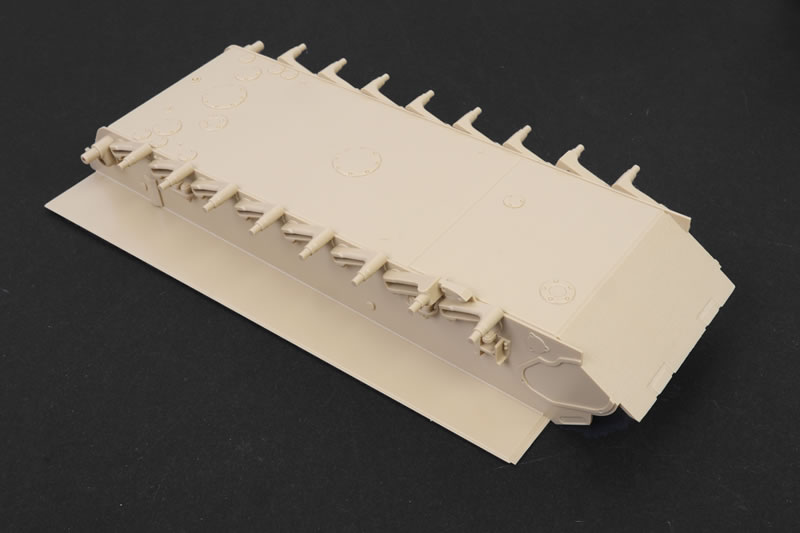
The tracks are link-and-length. Long straight sections are supplied for the upper and lower runs while shorter sections wrap around the drive sprockets and idlers.
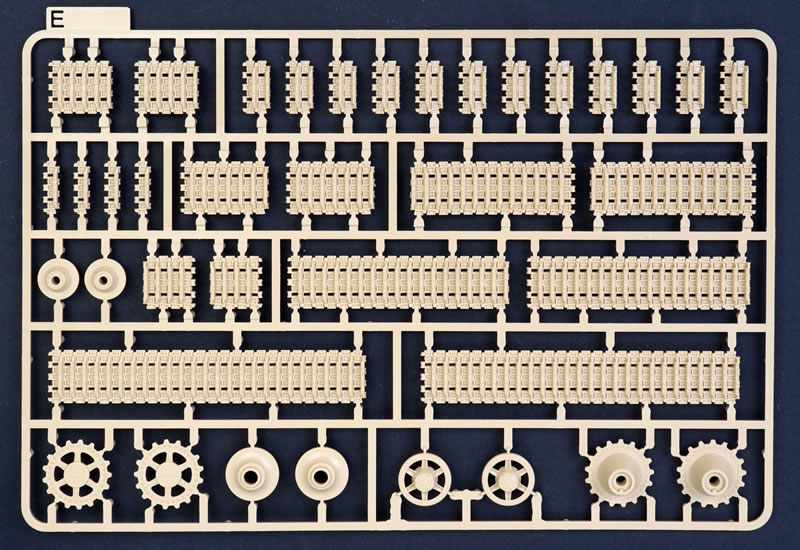
This keeps the parts count low and should allow most modellers to complete the running gear in a single session.
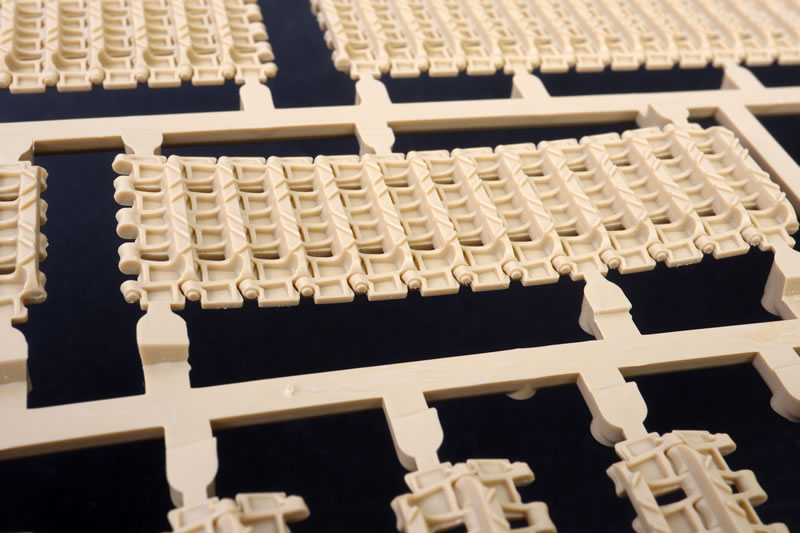
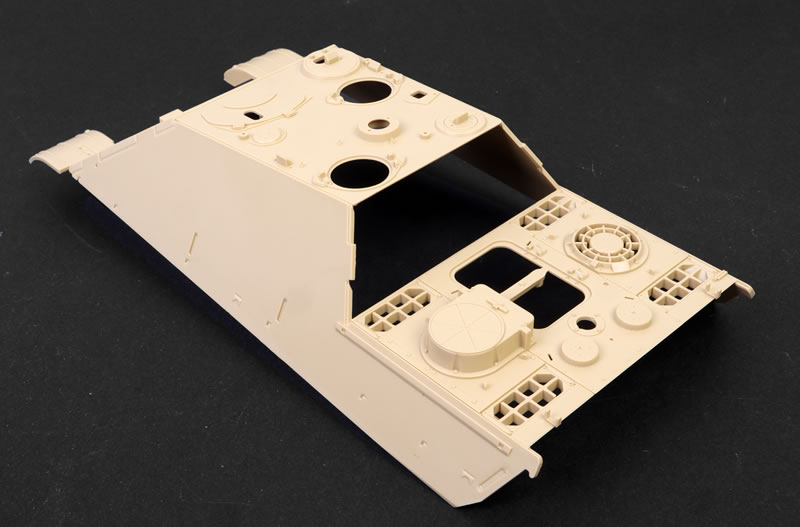
The upper hull and fighting compartment are moulded as large single pieces. This minimises alignment issues and speeds construction considerably.
Engine deck detail is crisp. A basic one-piece engine is included.
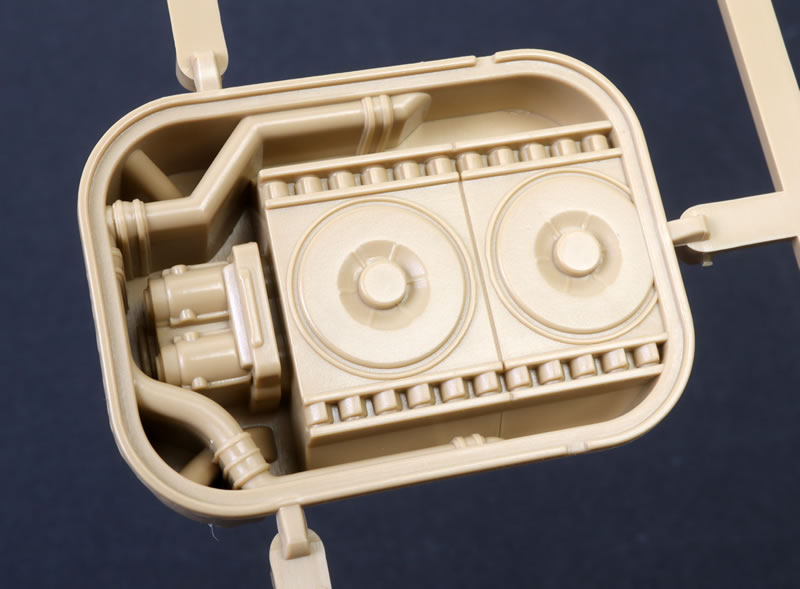
Photo-etched mesh grilles are supplied for the engine air intakes, adding a welcome touch of finesse without burdening the modeller with excessive photo-etch.
The rear access hatch and crew hatches may be posed open or closed.
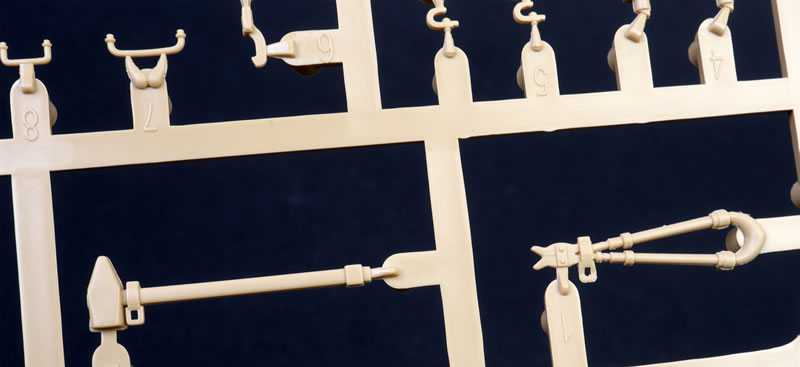
Tools are moulded with clasps in place and look perfectly acceptable for an out-of-the-box build. The towing cable uses braided copper wire supplied in the kit.
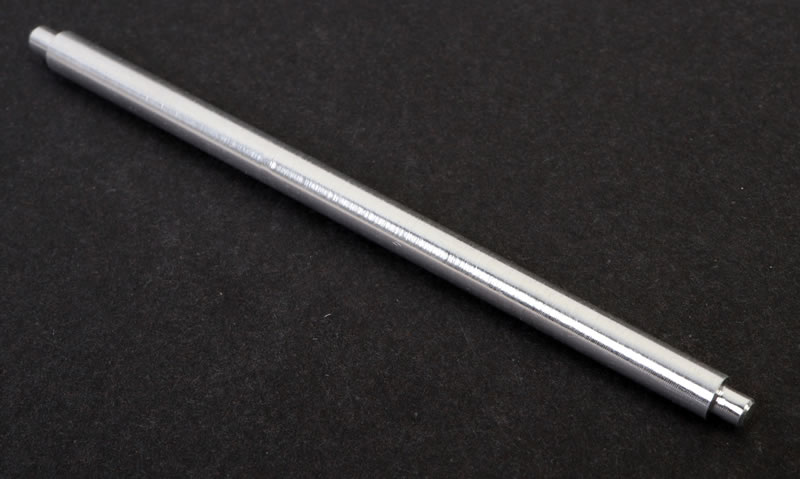
Das Werk provides a full-length turned metal barrel for the formidable 8.8cm Pak 43 L/71. This is a nice inclusion at this price point and eliminates the need to clean up a lengthy plastic barrel seam. The muzzle brake is slide moulded and captures the appearance of the original very well.
The gun mount allows limited movement after assembly, while the large cast mantlet is sharply rendered with subtle texture.
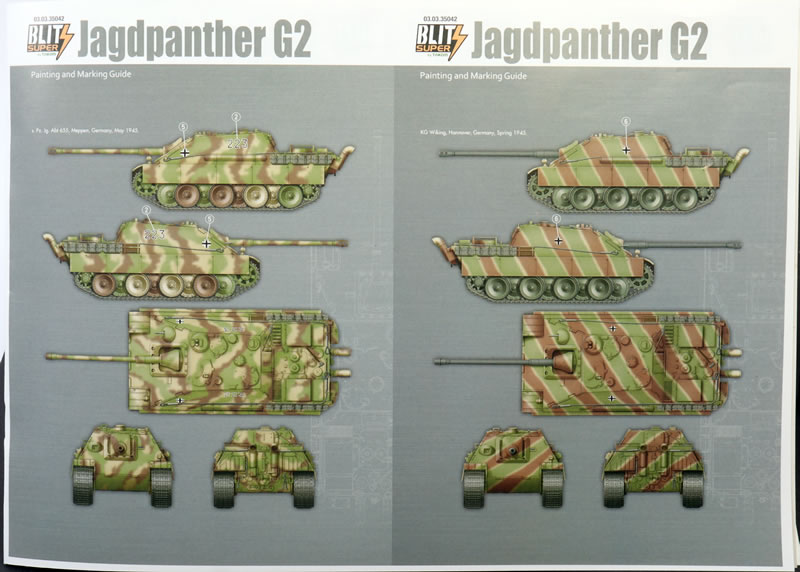
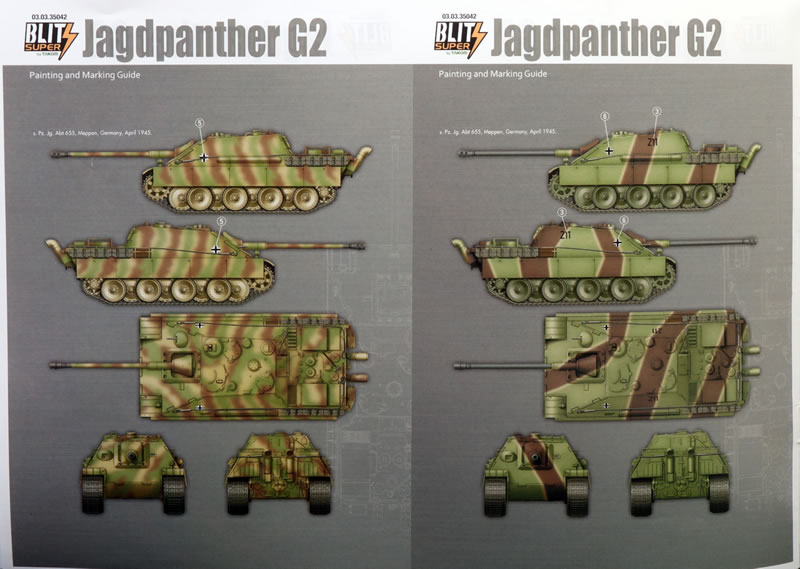
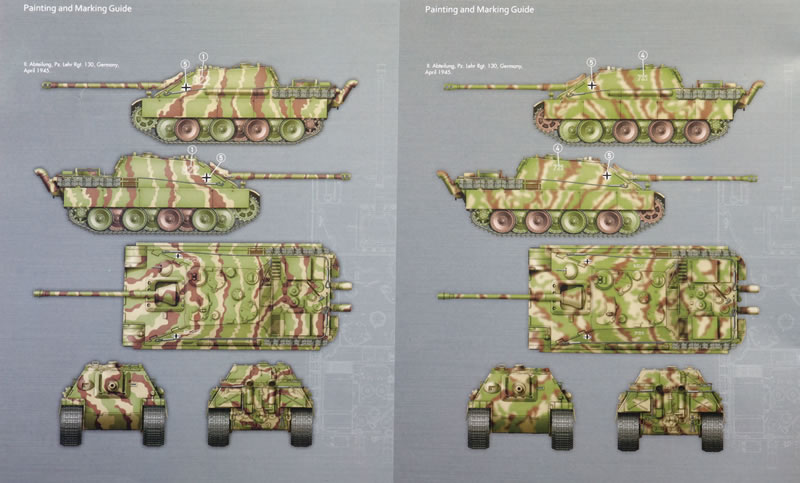
Markings are supplied for six vehicles.
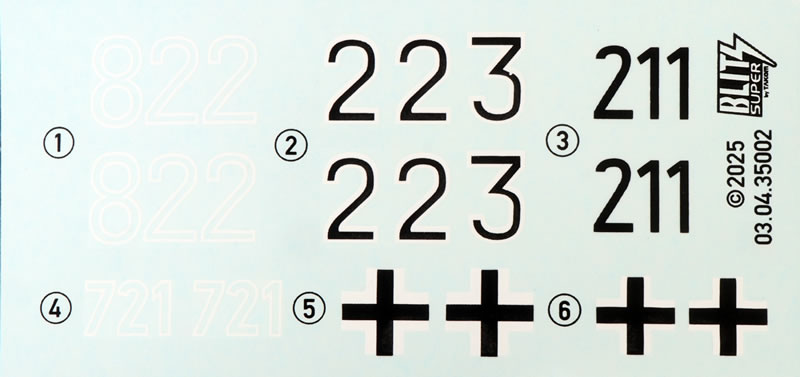
These offer a useful variety of camouflage schemes and unit markings.
C o n c l u s i o n
Das Werk's Jagdpanther G2 continues the Super Blitz formula, offering a sensible level of detail, straightforward engineering and a remarkably low parts count.
I particularly like the grouped road wheels, link-and-length tracks and inclusion of a turned metal barrel. These features contribute to a build that should be fast and frustration-free.
This is not intended to be the ultimate Jagdpanther. Modellers who prefer hundreds of individual track links and pins, workable running gear, full interiors and tiny detail parts can find more complex alternatives elsewhere. That is not the purpose of this kit.
Instead, Das Werk has delivered an affordable Jagdpanther that captures the look of the original vehicle while remaining accessible to beginners and experienced modellers alike.
The combination of simplicity, detail and value is very appealing.
Highly Recommended.
Purchased by the reviewer from BNA Model World www.bnamodelworld.com.au
Home
 Discussion Groups
Gallery
Articles
Reviews
Discussion Groups
Gallery
Articles
Reviews
Copyright
Vendors Room
Links
Contact us
Copyright www.missing-lynx.com 2026
Text and Images by Brett Green
Page Created 15 June, 2026
Page Last Updated
15 June, 2026