|
|

 |
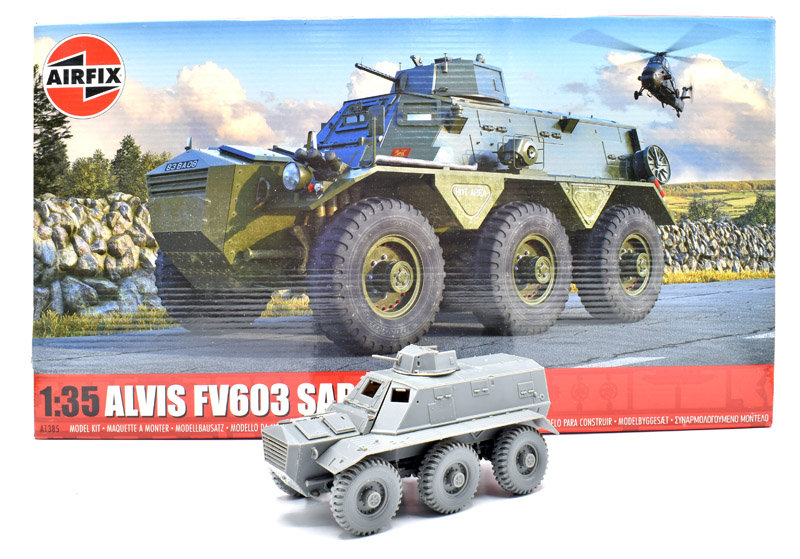
Alvis FV603 Saracen Mk.5
Airfix, 1/35 scale
Reviewed by Zack Sex

F i r s t L o o k
The FV603 Saracen was born from urgency. During the Malayan Emergency, communist insurgents launched a campaign of ambushes against British military and economic targets, with lightly protected Army patrols proving especially vulnerable. The spacing between the rubber trees in Malaya's vast plantations even influenced the dimensions of the new vehicle, as it needed to negotiate the narrow plantation tracks while providing effective protection for its occupants.
Having fought the Second World War without a purpose-built armoured personnel carrier, the British Army turned to the Alvis Car and Engineering Company of Coventry to produce a solution as quickly as possible. Drawing on its wartime experience, Alvis adapted its new FV600 six-wheeled vehicle family to create the Saracen. Prototype vehicles were completed rapidly, with two dispatched to Malaya for trials in 1952.
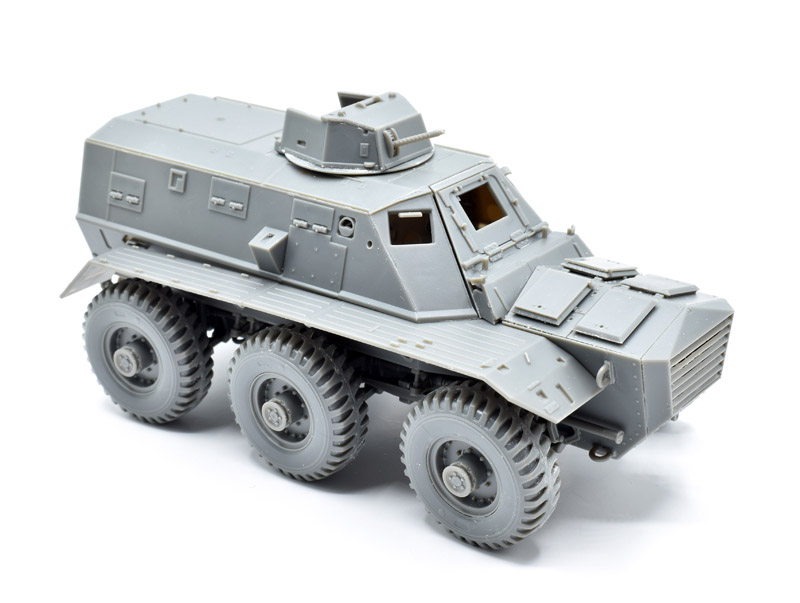
Interestingly, the Saracen entered production ahead of its stablemate, the Alvis Saladin. Although the British Army had originally prioritised the more heavily armed Saladin, the worsening situation in Malaya shifted the focus towards a well-protected troop carrier rather than a 76 mm gun vehicle.
The result was hardly a beauty. With its slab-sided hull, large wheels and compact turret, the Saracen was unmistakably designed with function rather than aesthetics in mind. It could safely carry a crew of two plus nine fully equipped infantrymen within its fully enclosed armoured hull. Armament consisted of a Browning 7.62 mm machine gun in the commander's turret, supplemented by firing ports around the hull that allowed embarked troops to engage targets from inside the vehicle.
Its distinctive 6×6 suspension, featuring individually sprung axles and steel-rimmed rubber tyres, gave the Saracen impressive cross-country mobility over both rough terrain and urban streets.
The Saracen proved highly successful in Malaya and went on to enjoy a remarkably long operational career. It served throughout the Middle East alongside the Saladin, saw action in Aden, was employed by Jordanian forces during Black September, operated extensively in Lebanon during that country's long civil war, and also served with South African, Sri Lankan and Sudanese forces.
For many people, however, the Saracen is most closely associated with Operation Banner in Northern Ireland. Deployed from 1969, it quickly became one of the defining images of the British Army's presence during The Troubles. Initially welcomed in many Catholic areas, British troops gradually found themselves engaged in counter-insurgency operations against the IRA and other republican paramilitary organisations.
Locally nicknamed "Sixers", Saracens became a familiar sight on the streets of Belfast and in the rural border regions of South Armagh. During the conflict they received numerous field modifications, reflecting the changing nature of operations over nearly four decades.
Airfix Tackles the Saracen
Following the release of its excellent Stalwart, it is no surprise that Airfix has turned its attention to another member of the FV600 family. Until now, the Saracen has largely been the preserve of Accurate Armour's expensive 1/35 resin kit, making this injection-moulded release especially welcome.
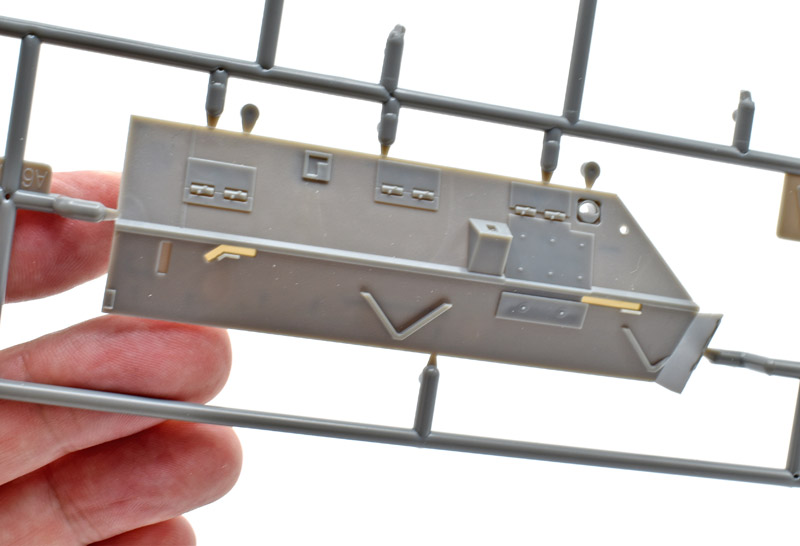
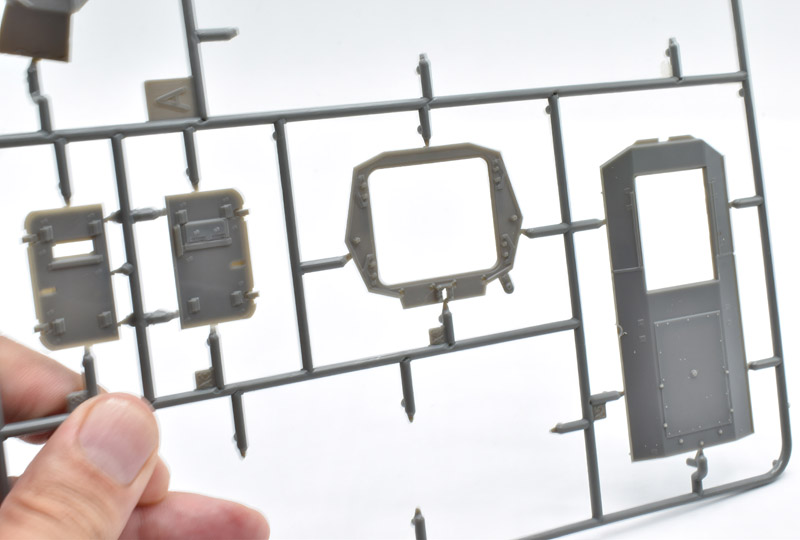
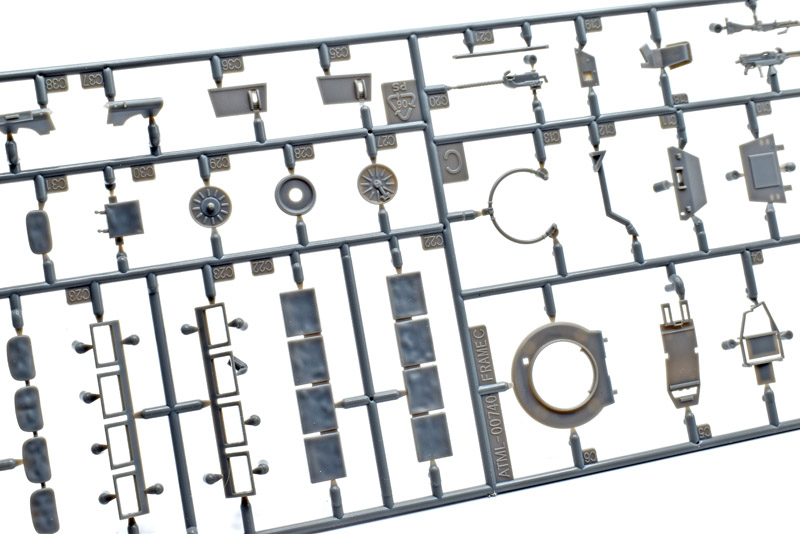
Moulded in light grey plastic, the kit is thoughtfully engineered and features a surprisingly comprehensive interior, making it well worth displaying with the rear doors open. Mould quality is generally excellent, although there are several sink marks on the interior surfaces. Fortunately, most are hidden on the roof of the troop compartment, with only the four located beneath the commander's turret requiring filling and sanding.
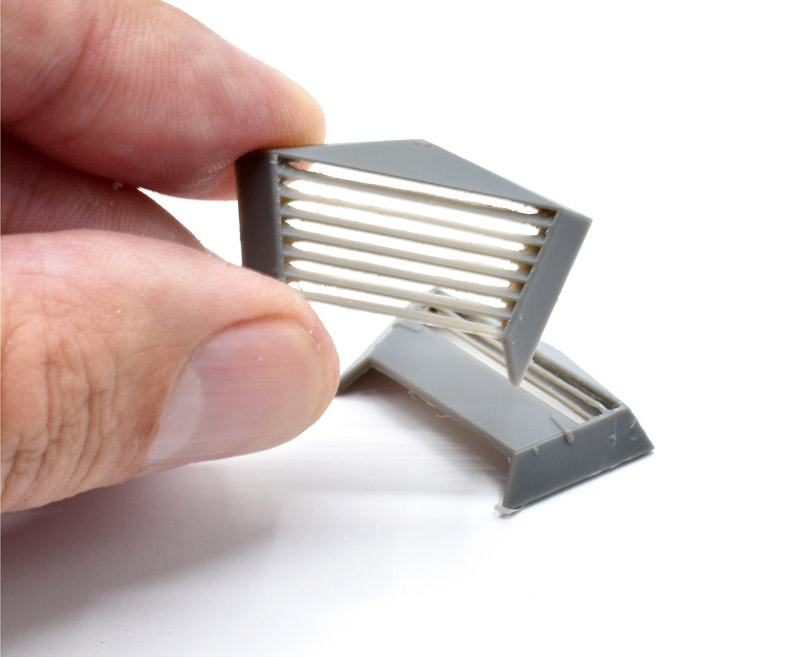
One small improvement is to thin or open up the front engine grilles, as they are moulded solid. Airfix thoughtfully provides two grille options: a three-slot version and a seven-slot version. According to Chris Meddings of ITA3, the seven-slot grille was by far the more common configuration, while the three-slot version was associated primarily with deep-wading vehicles.
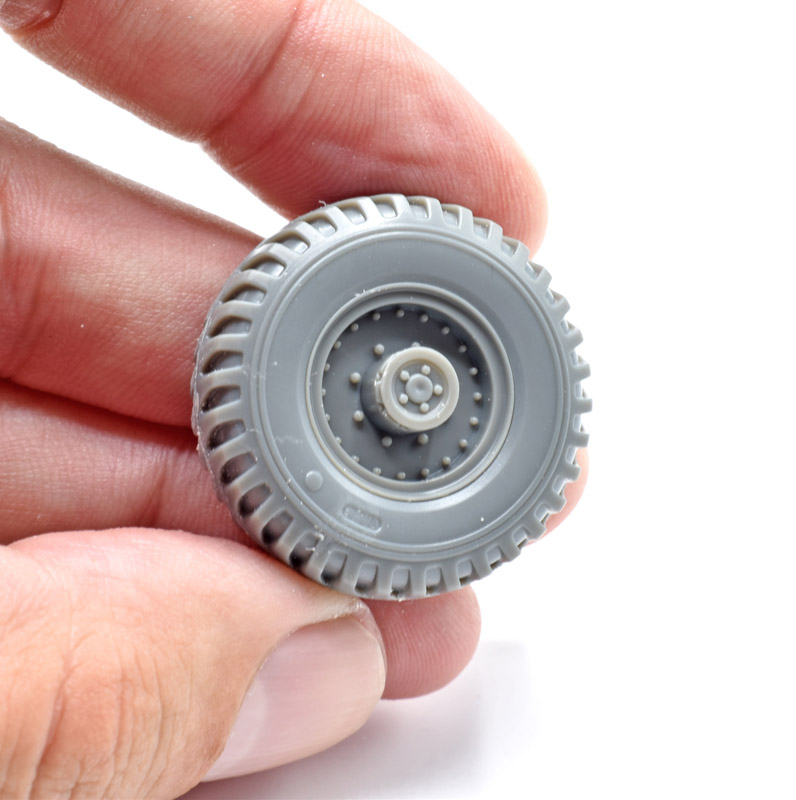
The weakest aspect of the kit is arguably the wheels. While perfectly acceptable, they lack the sharp sidewall detail now achievable with modern 3D-printed replacements from companies such as ScaleX. ITA3 and Scorpion Models also offer a growing range of detail sets and conversion parts that will undoubtedly appeal to modellers wanting to take the kit even further.
Even built straight from the box, however, the Airfix Saracen is an impressive model. With a little planning, careful test-fitting and methodical assembly, it builds into an excellent representation of this iconic British armoured vehicle.
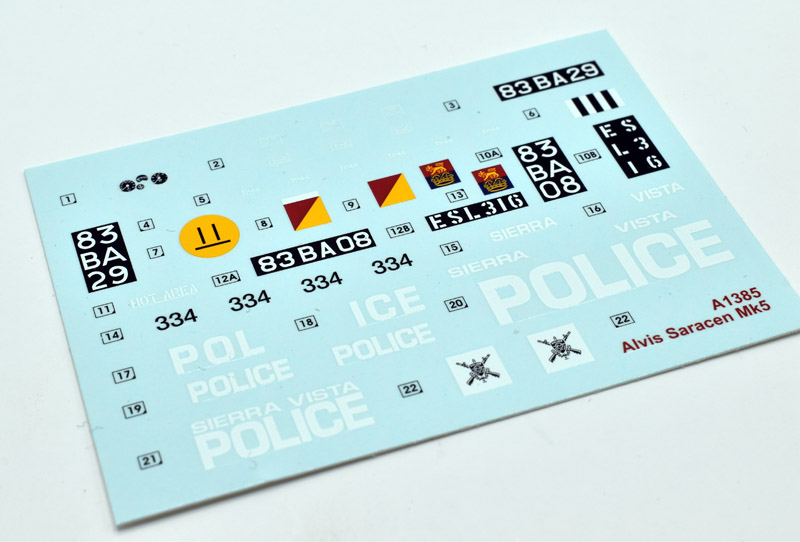
The decal sheet provides markings for two British Army vehicles, including one from Northern Ireland, together with a US police SWAT vehicle. Personally, I think options from Jordan, Sri Lanka or Lebanon would have offered greater historical interest, but Airfix was no doubt mindful of the American market.
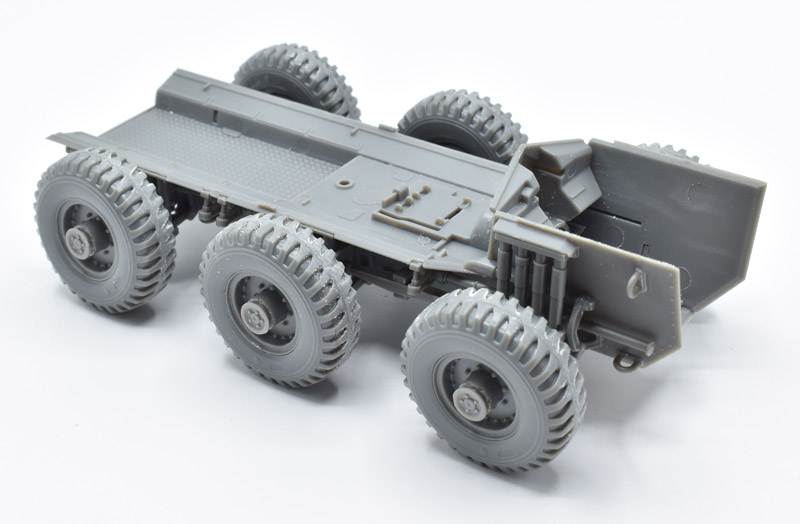
This release also seems destined to spawn a host of aftermarket conversions. Command vehicles, water cannon variants and other specialised versions are obvious candidates, but the one I'd really like to see is a 3D-printed set of the distinctive anti-RPG cage armour fitted to some Saracens during Operation Banner. It would be an ambitious project, but if anyone can produce it, today's 3D-printing specialists probably can.
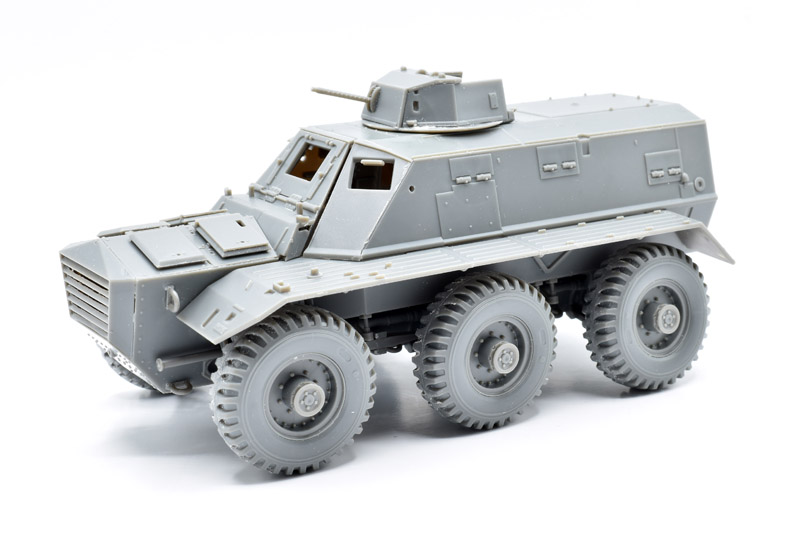
In the meantime, there's only one thing left to say...
Come on, Airfix—we need a Saladin next!
Purchased from Mars Models by the reviewer
Home
 Discussion Groups
Gallery
Articles
Reviews
Discussion Groups
Gallery
Articles
Reviews
Copyright
Vendors Room
Links
Contact us
Copyright www.missing-lynx.com 2026
Text and Images by Zack Sex
Page Created 1 August, 2026
Page Last Updated
1 August, 2026